Responsible Gambling
Gambling is entertainment with a cost, not a way to earn money or a solution to money problems. A win is uncertain; losses and spending are real. Money needed for bills, food, rent or debt repayments should not be treated as a gambling budget.
Signs that gambling is becoming a problem
The following changes are observable warning signs:
- spending more than the amount set aside, or repeatedly raising that amount;
- continuing after deciding to stop, or gambling for longer than planned;
- trying to win back losses by placing further bets;
- borrowing, selling possessions or using money intended for essential costs to gamble;
- hiding gambling or giving inaccurate accounts of the time or money spent;
- feeling restless or irritable when unable to gamble;
- missing work, study, sleep or other commitments because of gambling;
- finding that gambling is affecting relationships or creating unpaid bills.
Several signs together, or any one that is causing financial or personal harm, are grounds to stop gambling and seek support. There is no need to wait for a larger loss.
Actions available through an account
UK-licensed casinos must provide responsible gambling tools, including self-exclusion. Remote operators must prompt new customers to set a financial limit before their first deposit and provide accessible account-level limit controls.
A financial limit can restrict spending. Self-exclusion is a stronger measure for preventing access to the account. Where gambling is causing harm, the practical sequence is to stop depositing, use the account controls to set limits or self-exclude, and avoid reopening access as a response to a loss.
In Britain, online slot autoplay is banned and each online slot game cycle must allow at least 2.5 seconds before the next can begin. These restrictions do not remove the financial risks of gambling.
Where to turn for help
No verified gambling-support organisation, address or telephone number was supplied for this page. No contact details are listed here: an unverified number or address could send someone seeking help to the wrong place.
For an immediate account-level step, use the casino’s responsible gambling controls to self-exclude or set a financial limit. If the operator’s controls are unavailable, use its customer support channel to request self-exclusion and ask what account restrictions are available. A written request can also leave a record of the action requested.
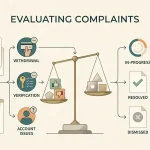
If gambling has affected essential spending, pause gambling and separate remaining money for necessities before making any further financial decisions. The operator’s complaints process is for disputes about the service; it is not a substitute for support with gambling harm.
Age and operator checks
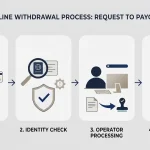
Operators must verify a customer’s age before allowing deposits into a gambling account. The age threshold is not specified in the information available for this page, so no numerical threshold is stated.
A remote operator must display its licence details on its gambling websites and apps and link to its public register licence information. UKGC licensees must offer an internal complaints process and access to an approved Alternative Dispute Resolution service. These are safeguards and accountability routes, not a guarantee against losses.